
This article references reporting from CNN, data from the Environmental Working Group (EWG), and guidance from the U.S. Department of Agriculture (USDA), U.S. Environmental Protection Agency (EPA), U.S. Food and Drug Administration (FDA), and the American Academy of Pediatrics (AAP).
Some of the most popular fruits and vegetables in the United States continue to rank among those with the highest pesticide residues, according to the latest annual report from the Environmental Working Group (EWG).
As reported by CNN, the 2026 Shopper’s Guide to Pesticides in Produce analyzed tens of thousands of samples and found that many commonly consumed items—including leafy greens and berries—contained multiple pesticide residues even after washing and preparation.

The Produce Items With the Highest Residue Levels
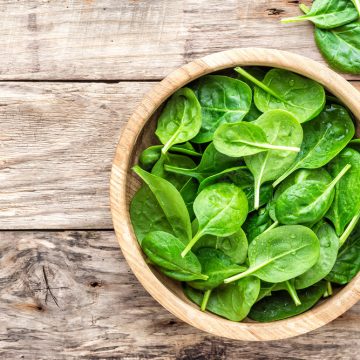
According to EWG’s analysis of testing conducted by the USDA, spinach once again ranked at the top of the list for pesticide residue levels. Strawberries, grapes, and other frequently purchased produce also appeared among the highest.
The full 2026 “Dirty Dozen” list includes:
- Spinach
- Strawberries
- Grapes
- Nectarines
- Peaches
- Cherries
- Apples
- Blackberries
- Pears
- Potatoes
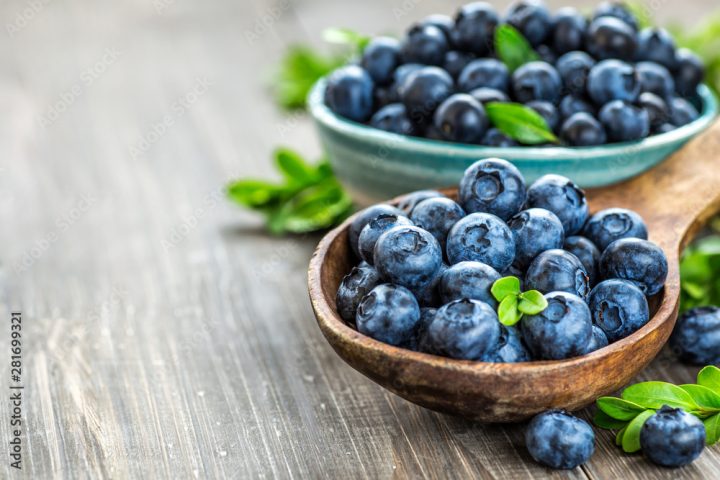
- Blueberries
EWG reported that most samples contained multiple pesticide residues. In many cases, produce items tested positive for four or more different pesticides, even after being washed and prepared in a way that reflects how consumers typically handle food at home.
What the Testing Found
To build the report, EWG reviewed USDA pesticide testing data from more than 54,000 samples across dozens of fruits and vegetables.
Before testing, each item was washed, scrubbed, or peeled. Despite that preparation, the analysis still detected traces of hundreds of different pesticides.
According to EWG, over 200 different pesticide residues were found on items included in the “Dirty Dozen” category.
Concerns About Health Effects
Research cited by organizations such as the American Academy of Pediatrics suggests that pesticide exposure may be linked to a range of health concerns.
The AAP has noted that children may be especially vulnerable, with some studies connecting pesticide exposure to developmental issues, lower birth weight, and certain long-term health risks. Additional research has explored potential links to conditions such as hormone disruption, cardiovascular disease, and certain cancers.
Experts often emphasize that the potential impact depends on factors such as exposure level, frequency, and overall diet.

Industry Response and Safety Standards
Not everyone agrees with how the “Dirty Dozen” list is interpreted.
The Alliance for Food and Farming, which represents both organic and conventional growers, has stated that the presence of pesticide residue does not necessarily mean food is unsafe. The group points to EPA standards, which set strict limits on pesticide levels and include safety margins designed to protect vulnerable populations, including children.
Similarly, pesticide industry representatives have said that the vast majority of tested produce falls within federal safety limits.
“Forever Chemicals” Found in Some Samples
One of the most notable findings in the 2026 report involves PFAS, often referred to as “forever chemicals.”
EWG reported that more than 60% of samples in the “Dirty Dozen” category contained pesticides classified as PFAS. According to the EPA, these chemicals can persist in the environment for long periods and have been studied for potential links to health concerns such as hormone disruption, immune effects, and certain chronic diseases.
EWG’s Bernadette Del Chiaro told CNN that the durability of these chemicals is part of what raises concern among researchers and public health advocates.
The “Clean Fifteen” Alternative
Alongside the “Dirty Dozen,” EWG also releases a “Clean Fifteen” list—produce items with the lowest levels of pesticide residues.
According to the report, items such as avocados, sweet corn, and pineapple ranked among those with the least contamination. EWG noted that a large percentage of these samples showed no detectable pesticide residues at all.
How to Reduce Exposure
Experts consistently stress that fruits and vegetables remain essential for a healthy diet.
Guidance from the FDA recommends washing all produce under running water before eating or preparing it. Firm items like potatoes or cucumbers can be scrubbed with a clean brush, while leafy greens should be rinsed carefully.
The FDA also advises against using soap or bleach, as produce can absorb these substances.
Some experts suggest that choosing organic options for higher-residue items or varying the types of produce you eat may help reduce overall exposure.
The Bottom Line
While reports like the “Dirty Dozen” highlight potential concerns about pesticide exposure, health experts agree on one key point: eating a variety of fruits and vegetables is still important.
Understanding where residues are more commonly found—and taking simple steps like washing produce—can help consumers make informed choices without avoiding nutritious foods altogether.



Leave a Reply