
This article references food safety guidance from the U.S. Department of Agriculture (USDA), the U.S. Food and Drug Administration (FDA), the Centers for Disease Control and Prevention (CDC), and the American Academy of Pediatrics.
Microwaves are one of the most convenient tools in any kitchen, but they don’t always heat food evenly. According to the U.S. Department of Agriculture, leftovers should be reheated to a safe internal temperature of 165°F, and uneven heating can leave cold spots where bacteria may survive.
While many foods can technically be microwaved, some are better reheated using other methods for both safety and quality.
Here are 32 foods that are best kept out of the microwave.
Chicken
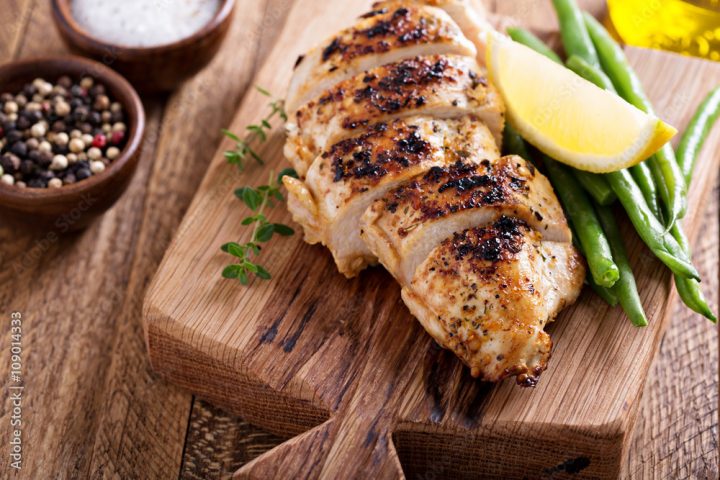
The USDA notes that poultry must be reheated thoroughly to kill bacteria such as Salmonella. Because microwaves heat unevenly, chicken can end up overcooked on the outside while remaining too cool in the center.
Rice
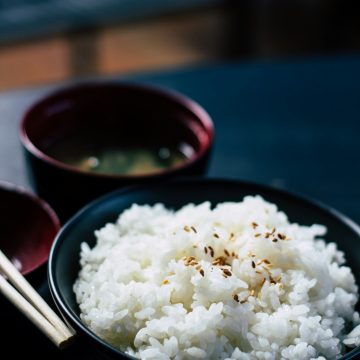
The Centers for Disease Control and Prevention explains that Bacillus cereus can survive the cooking process and grow if rice is left at room temperature. Reheating unevenly in a microwave may not eliminate the risk.
Eggs
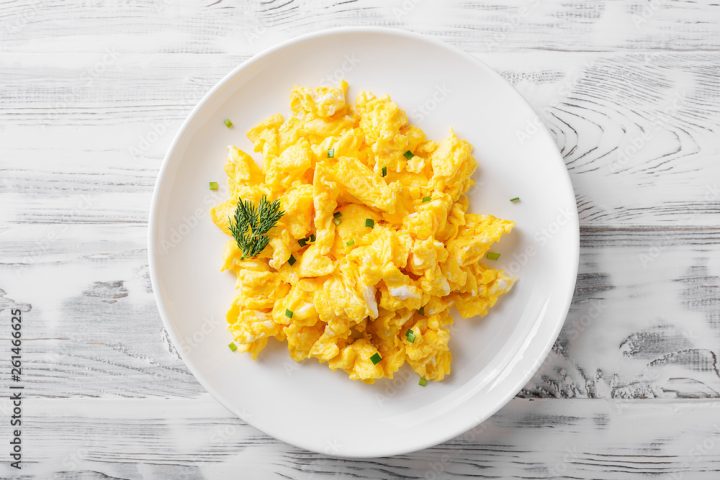
Eggs are sensitive to heat. When microwaved, they often become rubbery, and whole eggs can build pressure and burst, creating both a mess and a burn risk.
Breast Milk
The U.S. Food and Drug Administration advises against microwaving breast milk because it can create dangerous hot spots that may burn a baby’s mouth. The American Academy of Pediatrics gives the same warning.
Seafood
Seafood reheats quickly and unevenly in a microwave, often becoming dry and rubbery. Improper reheating may also increase food safety risks if the internal temperature is not reached.
Potatoes
The USDA notes that cooked foods must be stored properly to prevent bacterial growth. If potatoes were not stored safely, reheating them in a microwave will not eliminate that risk, and texture often suffers as well.
Pizza
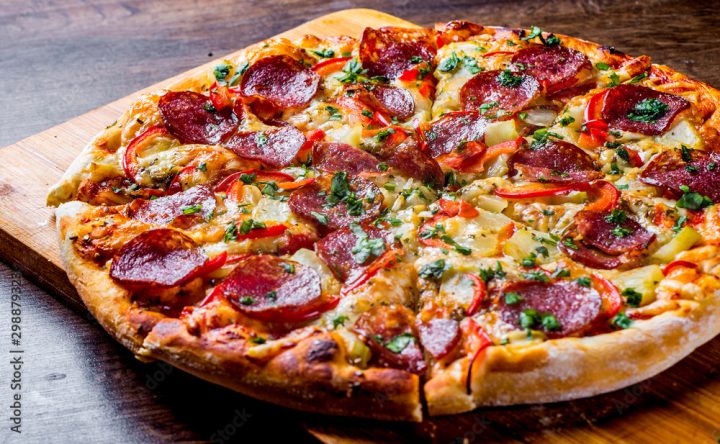
Microwaving pizza causes moisture to build up, making the crust soggy and the cheese rubbery. While not unsafe, the quality is significantly reduced.
Leafy Greens
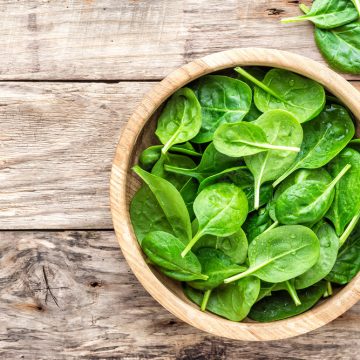
Leafy greens like spinach and kale tend to break down quickly under microwave heat, becoming watery and unappetizing. They are usually better eaten cold or gently reheated on the stovetop.
Mushrooms
Mushrooms contain delicate proteins that change texture when reheated. Microwaving often makes them soggy and less enjoyable to eat.
Turkey Breast
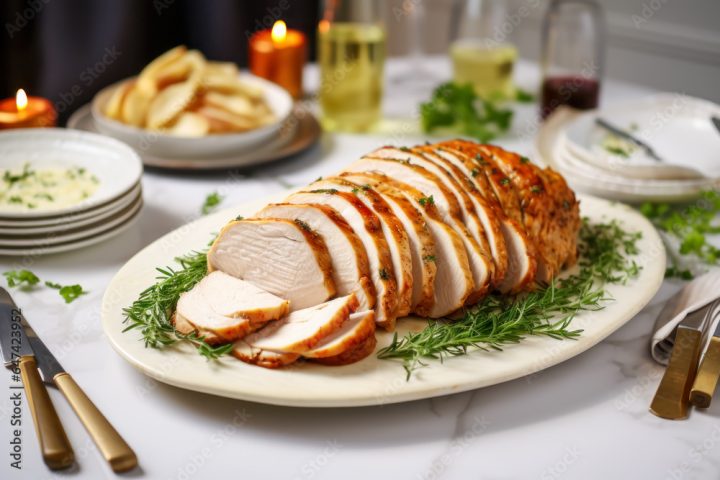
Lean meats like turkey breast dry out quickly in the microwave due to uneven heating, leading to a tough texture.
Beets
Beets can become rubbery when microwaved and lose their natural flavor. They are often better served cold or reheated gently.
Celery
Celery’s high water content makes it prone to uneven heating, especially in soups, where some portions may overcook while others remain cool.
Carrots
Microwaving carrots can lead to uneven texture, with soft outer layers and firmer centers if not cut evenly.
Pork
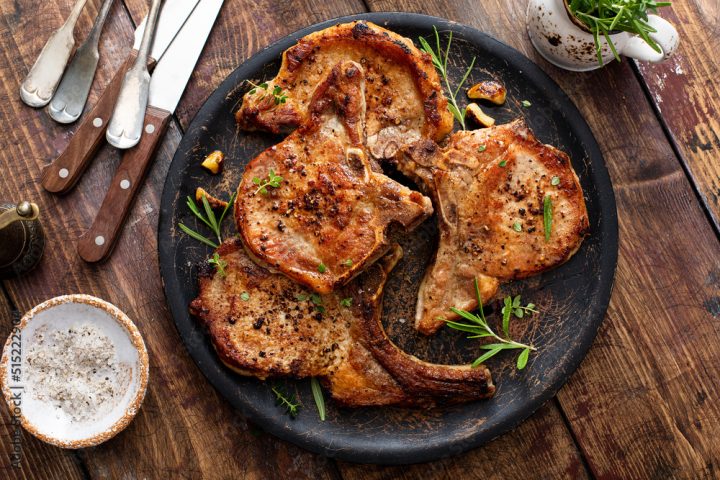
The USDA emphasizes even reheating for all meats. Pork can dry out or heat unevenly in a microwave, making it less safe and less enjoyable.
Bread
Microwaving bread temporarily softens it, but it quickly becomes tough and chewy as it cools due to changes in starch structure.
Hot Peppers
Heating hot peppers in a microwave can release capsaicin into the air, which may irritate the eyes and throat when the door is opened.
Fried Foods
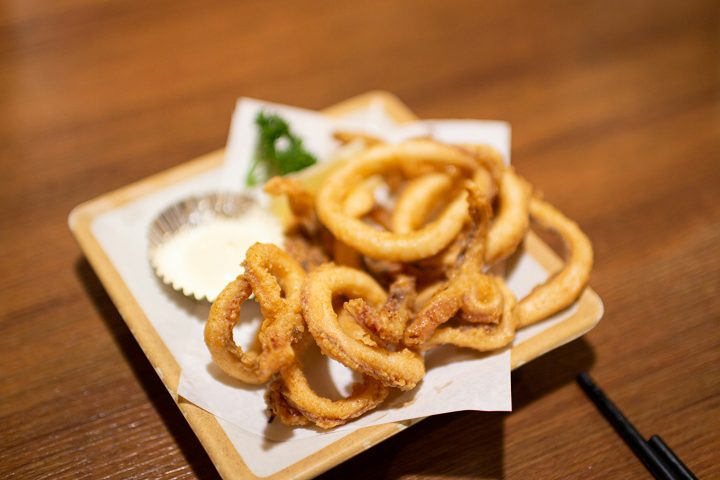
Fried foods lose their crisp texture in the microwave because trapped steam softens the coating, making them greasy and soggy.
Processed Meats
Processed meats like hot dogs and sausages can heat unevenly and may split due to steam buildup inside the casing.
Pasta
Microwaving pasta often results in uneven heating, with some parts drying out and others becoming overly soft.
Oily Fish
Fish like salmon and sardines can develop strong odors and overcook quickly in the microwave, affecting both taste and texture.
Gravy
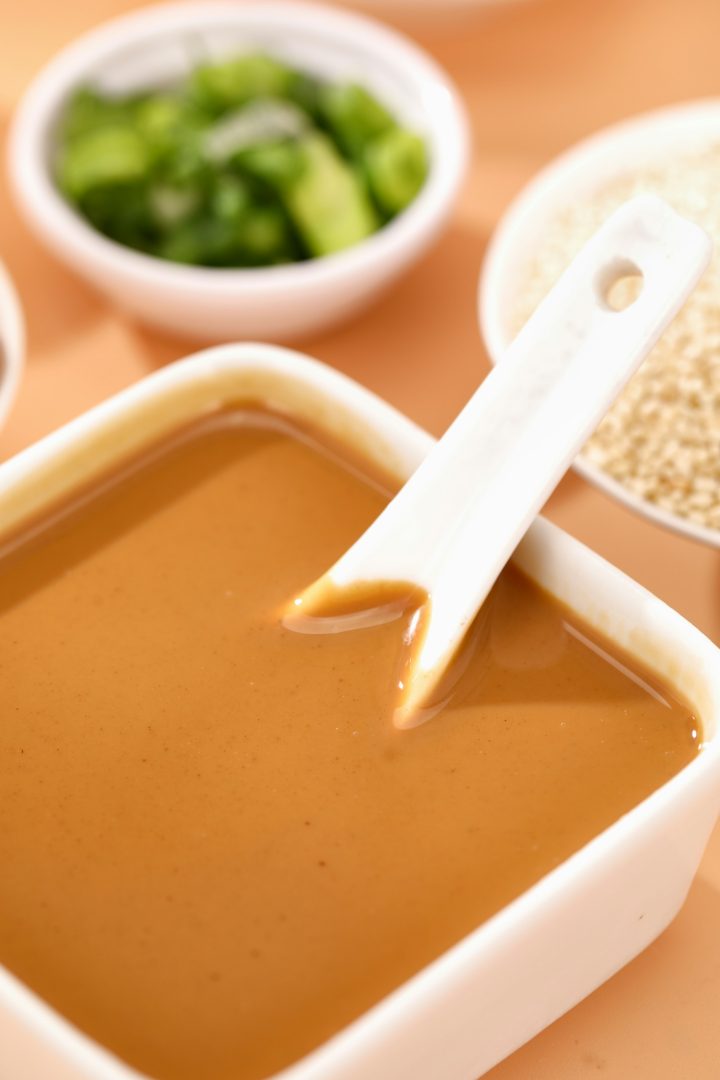
Gravy can separate when microwaved, with fats rising to the top while the bottom remains cooler and thicker.
Cream-Based Soups
The FDA notes that dairy products can break down under high heat. Cream soups may curdle or separate when reheated in a microwave.
Doughnuts
Microwaved doughnuts can become extremely hot on the outside while remaining uneven inside, increasing the risk of burns.
Casseroles
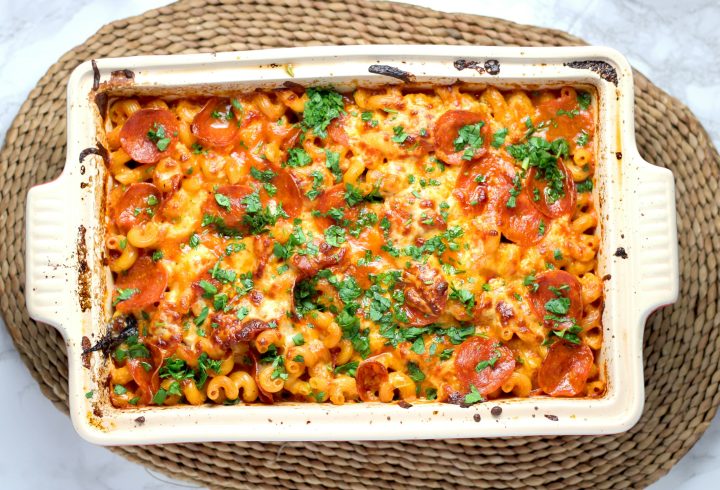
Dense foods like casseroles are harder to heat evenly. The USDA recommends stirring and rotating food in a microwave, but ovens often provide more consistent results.
Steak
Microwaving steak usually overcooks the outer layers while leaving the inside underheated, ruining texture and flavor.
Infant Formula
The FDA advises never heating infant formula in a microwave due to the risk of hot spots that can cause serious burns.
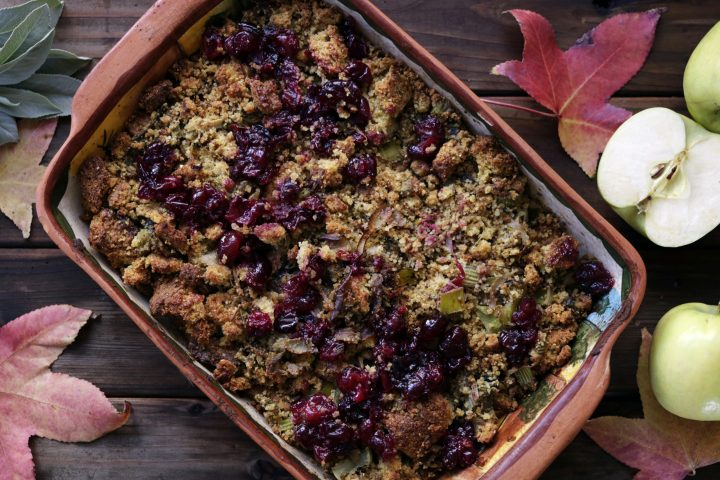
Stuffing
The USDA notes that stuffing must reach a safe internal temperature, which can be difficult to achieve evenly in a microwave due to its density.
Frozen Meals
Even though many frozen meals are labeled microwave-safe, uneven heating can leave cold centers, especially in thicker portions.
Turnips
Turnips can dry out or heat unevenly in a microwave, leading to poor texture and flavor.
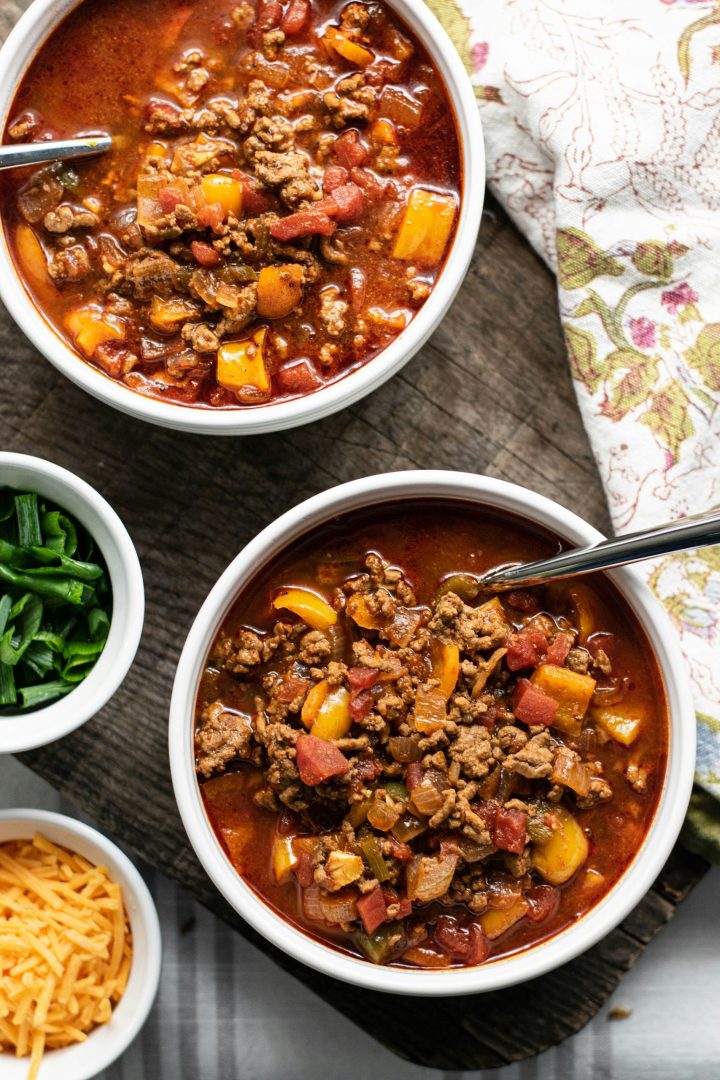
Chili
Thick foods like chili can develop hot edges while remaining cool in the center. The USDA recommends stirring during reheating, but stovetop heating is often more reliable.
Pickled Beets
Acidic foods like pickled beets can lose their texture and flavor when microwaved and are typically better served cold.
Kale Chips
Kale chips lose their crispness almost instantly in a microwave due to trapped moisture.
Mixed Leftovers
The USDA emphasizes that all leftovers must reach 165°F. Mixed dishes with different ingredients can heat unevenly in a microwave, making consistent reheating more difficult.
The Bottom Line
Microwaves are not unsafe, but they are not always the best choice. The USDA, FDA, and CDC all emphasize proper reheating techniques to ensure food reaches a safe temperature.
For many foods, using an oven, stovetop, or skillet provides more even heating, better texture, and a safer result overall.
Leave a Reply