
This article references findings from the 2025 Dietary Guidelines Advisory Committee, research published in journals including Clinical Nutrition, Appetite, and Nutrients, and guidance from medical and nutrition experts at institutions such as Rush University System for Health and UT Southwestern.
Staying full without overeating is one of the biggest challenges for anyone trying to manage weight. But nutrition experts say the answer is not eating tiny portions or relying on trendy diet foods. It often comes down to choosing foods that deliver more satiety for fewer calories.
Research has repeatedly shown that foods high in protein, fiber, or water tend to do a better job of keeping hunger in check. Here are four foods that stand out.
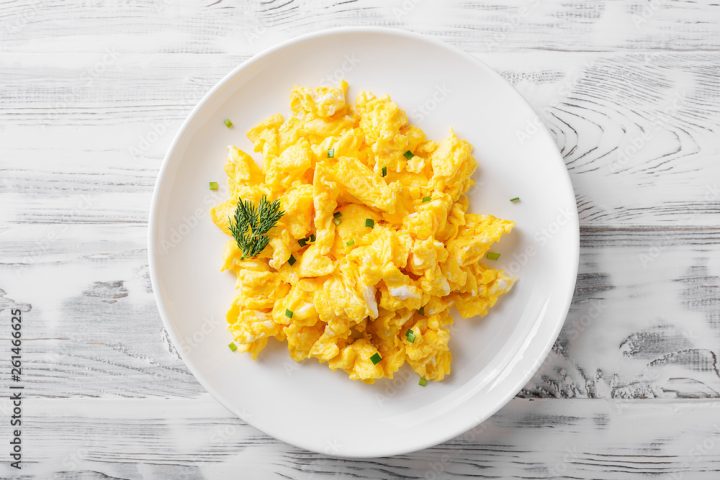
Eggs
Eggs are one of the most filling foods you can eat for the calories.
Research published in Nutrients found that when overweight or obese adults ate an egg-and-toast breakfast instead of a cereal-based breakfast with the same energy content, they reported less hunger and ate less later in the day. The researchers said the egg breakfast “enhanced satiety and reduced energy intake at subsequent meals” compared with the cereal breakfast.
That effect makes sense because eggs are rich in protein, and protein is one of the nutrients most strongly linked to fullness. Many dietitians point to high-protein breakfasts as a practical way to reduce snacking and overeating later.
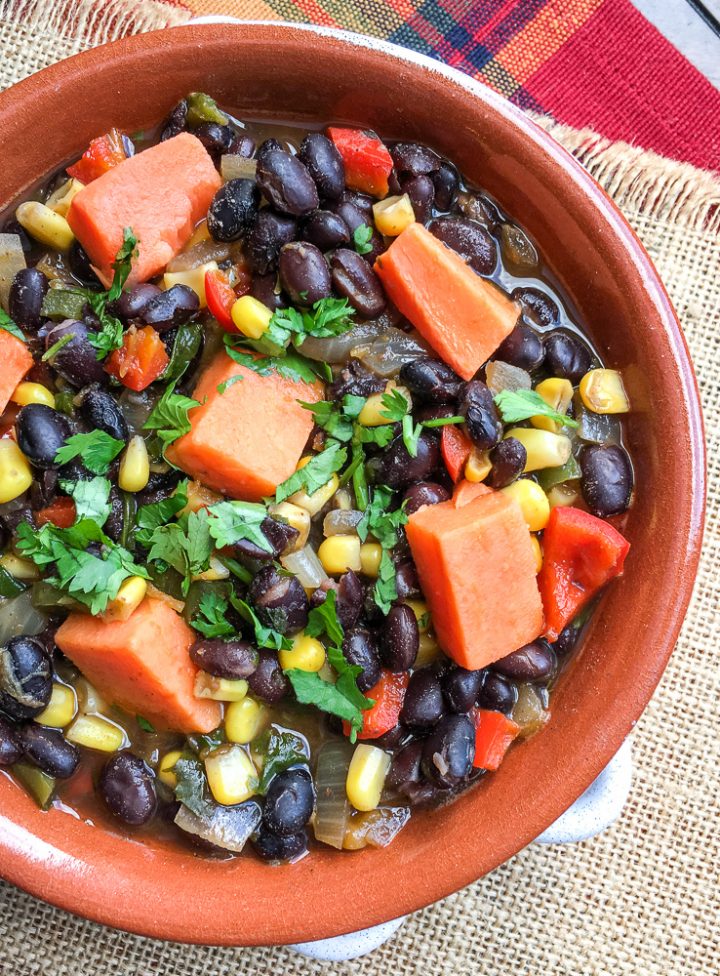
Beans, Lentils, and Chickpeas
Legumes are one of the most research-backed foods for fullness.
The 2025 Dietary Guidelines Advisory Committee proposed reorganizing the Protein Foods Group to list beans, peas, and lentils first, highlighting how central these foods have become in current nutrition guidance. These foods are rich in both protein and fiber, which is a powerful combination for appetite control.
A systematic review and meta-analysis published in Obesity found that people felt about 31% fuller after eating pulses such as beans, peas, chickpeas, and lentils compared with control meals. More recently, research published in Nutrition Reviews in 2025 noted that pulses may decrease hunger sensations and increase satiety because of their fiber, protein, and slower digestion.
That means legumes can help people feel satisfied without adding a large calorie load.
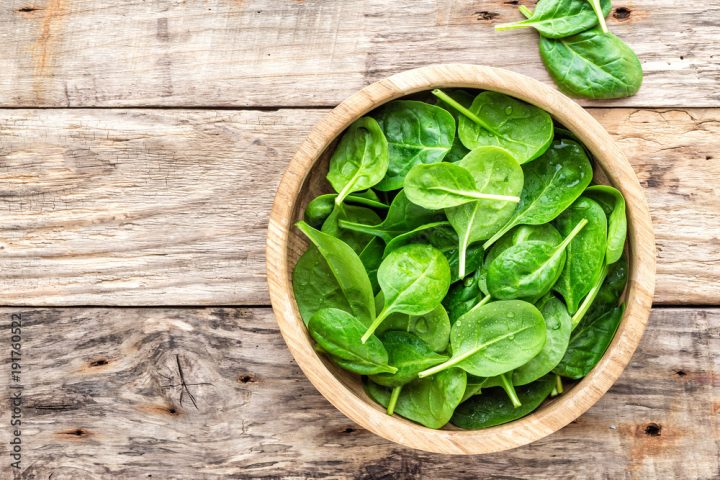
Leafy Greens and Other Non-Starchy Vegetables
Leafy greens and other non-starchy vegetables help fill your stomach without filling your day with excess calories.
Rush University System for Health explains that vegetables like spinach, kale, romaine, broccoli, zucchini, celery, and bell peppers are high in fiber and water, which slows digestion and helps people feel full longer. The Mayo Clinic also notes that fruits and vegetables are naturally low in energy density, meaning you can eat a larger volume for fewer calories.
That low energy density is a big reason these foods work so well for weight management. They add bulk to meals, help stretch portion size, and support fullness without the calorie load that comes with more processed foods.
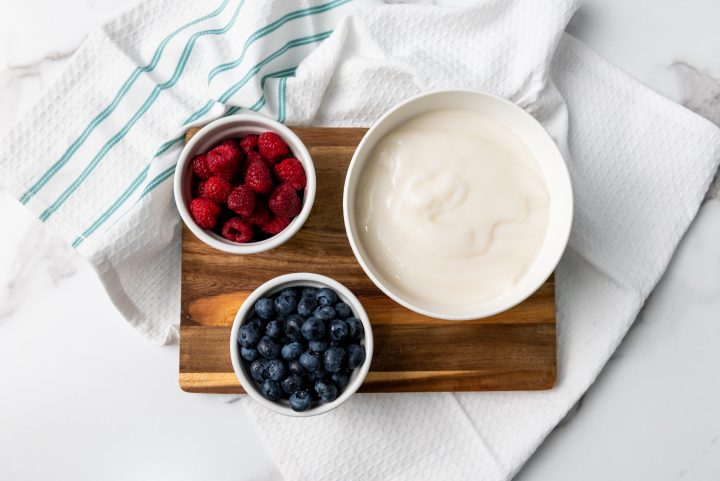
Greek Yogurt
Greek yogurt is another strong option because it combines high protein with a texture that feels satisfying.
A study published in Appetite found that healthy women who ate a high-protein Greek yogurt snack had reduced hunger, increased fullness, and delayed their next eating occasion compared with lower-protein snacks. Researchers concluded that the high-protein yogurt snack improved appetite control and satiety.
That matters because a food does not just need to be nutritious. It also needs to be satisfying enough to keep you from looking for something else an hour later. Greek yogurt does that well, especially when paired with berries, chia seeds, or other fiber-rich toppings.
Why These Foods Work
These foods have a few things in common. They are high in protein, high in fiber, low in energy density, or some mix of all three.
Research published in Clinical Nutrition has shown that protein-rich foods can support fullness and reduce later calorie intake, while public health guidance from major medical centers continues to emphasize fiber-rich vegetables and legumes for hunger control. In simple terms, foods that digest more slowly and take up more space in the stomach tend to help people feel satisfied for longer.
The Bottom Line
Eggs, legumes, leafy greens, and Greek yogurt are not magic foods. But research consistently shows they can help people stay fuller for longer without adding a lot of extra calories.
That is what makes them useful. They work with your body’s hunger signals instead of against them, which can make healthy eating feel a lot easier over time.


Leave a Reply