
Spices are a staple in most kitchens. They add flavor, color, and depth to everyday meals. But while many people think of expiration dates as only affecting taste, food safety experts say older spices can sometimes pose risks if they are stored improperly or kept too long.
Over time, spices can lose their potency, absorb moisture, or even develop mold and bacteria. In some cases, they may also contain compounds that are less stable as they age.
Here are six common spices experts say you should pay attention to as they get older.
Nutmeg
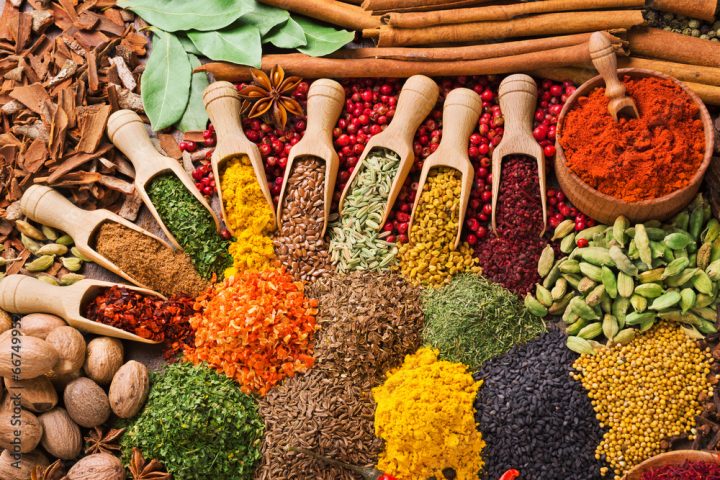
Nutmeg is widely used in baked goods and warm drinks. It naturally contains a compound called myristicin.
According to food safety research, myristicin is safe in small culinary amounts. However, consuming large quantities can lead to symptoms such as nausea, dizziness, or heart palpitations. As nutmeg ages, its flavor weakens, making it easier for people to accidentally use more than intended.
Replacing old nutmeg helps ensure both flavor and safe usage levels.
Paprika
Paprika is especially sensitive to moisture and improper storage.
The USDA notes that dried spices can develop mold if exposed to humidity. When paprika clumps, darkens, or develops an off smell, it may indicate contamination. Mold or bacterial growth in spices can potentially lead to foodborne illness.
Keeping paprika in a cool, dry place helps reduce this risk.
Cumin
Cumin contains natural oils that give it its strong aroma and taste.
Over time, these oils can oxidize, leading to a rancid flavor. Food science research shows that oxidation can also produce compounds that may irritate the digestive system in some people.
While not typically dangerous in small amounts, expired cumin may no longer be ideal for regular use.
Cinnamon
Cinnamon is generally safe, but storage conditions matter.
The FDA has noted that spices stored in humid environments may develop mold or mycotoxins. These contaminants can trigger allergic reactions or digestive discomfort in some individuals.
If cinnamon smells musty or looks clumpy, it’s best to replace it.
Chili Powder
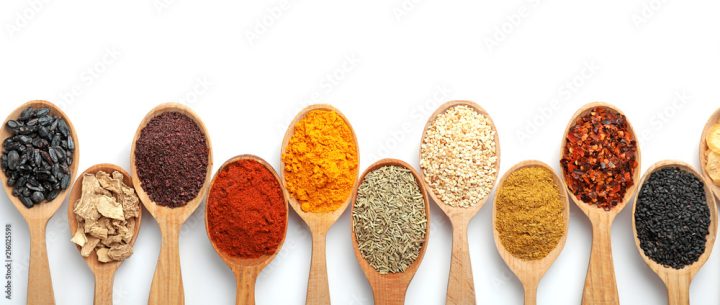
Chili powder does not become toxic on its own, but it can become unsafe if contaminated.
Food safety guidance from the USDA explains that dried spices can harbor bacteria or mold if moisture is introduced. Old chili powder that shows signs of spoilage—such as clumping or unusual odor—should be discarded.
Proper storage is key to maintaining both flavor and safety.
Turmeric
Turmeric is known for its bright color and use in cooking.
However, like other ground spices, it can be affected by humidity and storage conditions. Research cited by food safety agencies shows that improperly stored spices may develop fungal contamination over time.
If turmeric changes in smell, texture, or appearance, it may no longer be safe to use.
How to Store Spices Safely
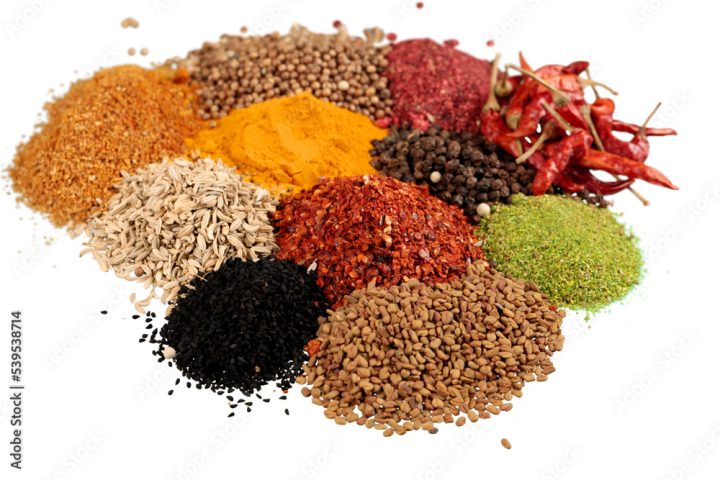
Food safety experts, including guidance from the USDA, recommend:
- Storing spices in airtight containers
- Keeping them away from heat, light, and moisture
- Replacing ground spices more frequently than whole spices
- Checking for changes in smell, color, or texture
Whole spices generally last longer because they are less exposed to air and moisture.
The Bottom Line
Spices don’t always “spoil” in the same way fresh foods do, but they can degrade over time and, in some cases, become contaminated.
Nutmeg, paprika, cumin, cinnamon, chili powder, and turmeric are all best used fresh and stored properly. Paying attention to how your spices look and smell can help ensure your meals stay both flavorful and safe.

Leave a Reply