
This article references general food safety guidance from sources such as the U.S. Food and Drug Administration (FDA), U.S. Department of Agriculture (USDA), and research on naturally occurring plant compounds and cooking methods.
Vegetables are one of the healthiest foods you can eat. They are packed with fiber, vitamins, and antioxidants. But how you cook them matters more than many people realize.
While cooking usually makes vegetables safer and easier to digest, excessive heat or improper preparation can sometimes affect their nutrient content or increase certain naturally occurring compounds.
Here are six vegetables where cooking method and timing make a difference.
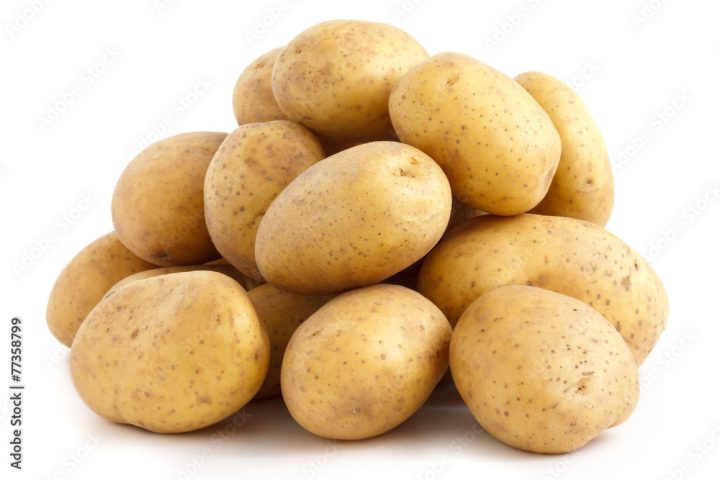
Potatoes
Potatoes naturally contain compounds called glycoalkaloids, including solanine.
According to food safety guidance, solanine is found in higher amounts in green or sprouted potatoes. Cooking does not fully remove this compound. Eating potatoes that are green or heavily sprouted may lead to symptoms like nausea or digestive discomfort.
To reduce risk:
- Store potatoes in a cool, dark place
- Cut away green areas and sprouts
- Cook until just tender, not excessively browned or burnt
Kidney Beans
Kidney beans are well known for requiring proper preparation.
The FDA and food safety experts note that raw or undercooked kidney beans contain phytohemagglutinin, a lectin that can cause digestive illness. Proper boiling destroys this compound, but uneven cooking—especially at low temperatures—may not fully eliminate it.
Safe preparation includes:
- Soaking beans for several hours
- Boiling them at a high temperature before eating
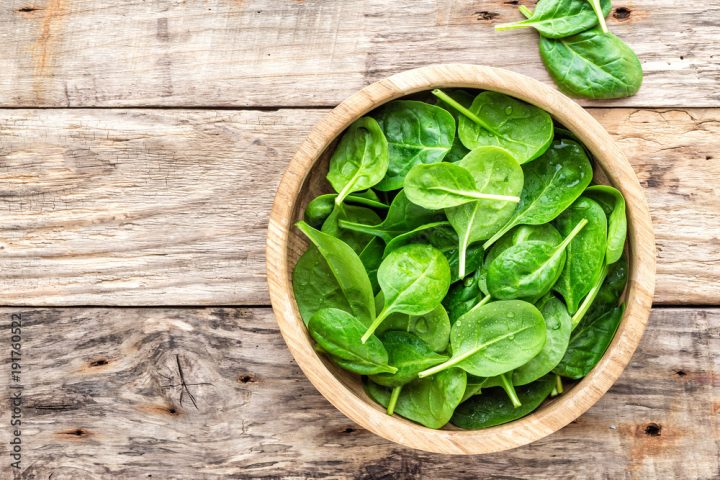
Spinach
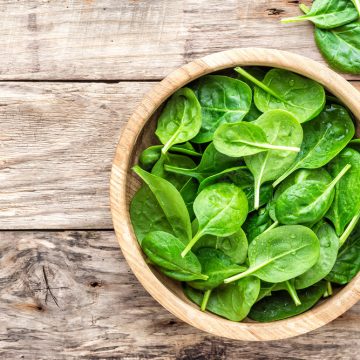
Spinach is rich in nutrients, but it also contains oxalates.
Research cited by nutrition experts shows that oxalates can bind to minerals like calcium and may contribute to kidney stone formation in some individuals. Long boiling times can affect how these compounds behave and may also reduce vitamin content.
Light cooking methods such as steaming or sautéing are often recommended to preserve nutrients.
Mushrooms
Mushrooms contain natural compounds that change with cooking.
Food science research indicates that proper cooking improves digestibility and reduces certain naturally occurring substances found in raw mushrooms. However, repeated high-heat cooking or burning may create unwanted compounds.
Cooking mushrooms gently and avoiding excessive charring is generally recommended.
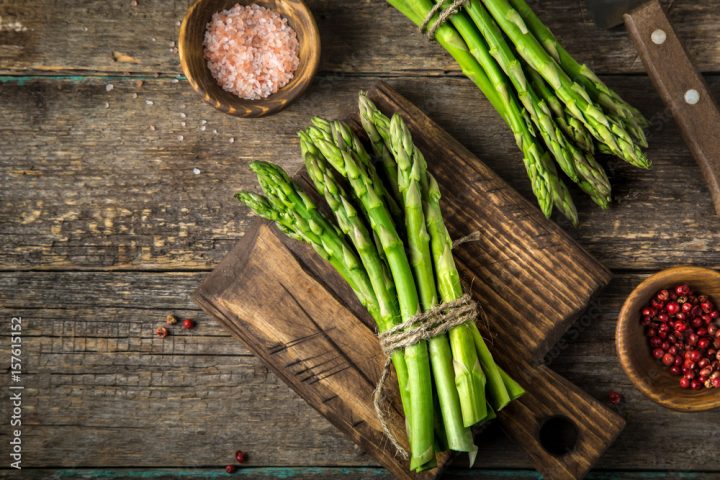
Asparagus
Asparagus is a nutrient-rich vegetable, but prolonged high-heat cooking can impact its quality.
According to nutrition research, overcooking vegetables like asparagus can lead to the breakdown of heat-sensitive vitamins such as vitamin C. High-temperature cooking methods may also contribute to the formation of certain compounds studied for their potential health effects.
Cooking asparagus until tender-crisp helps retain both flavor and nutrients.
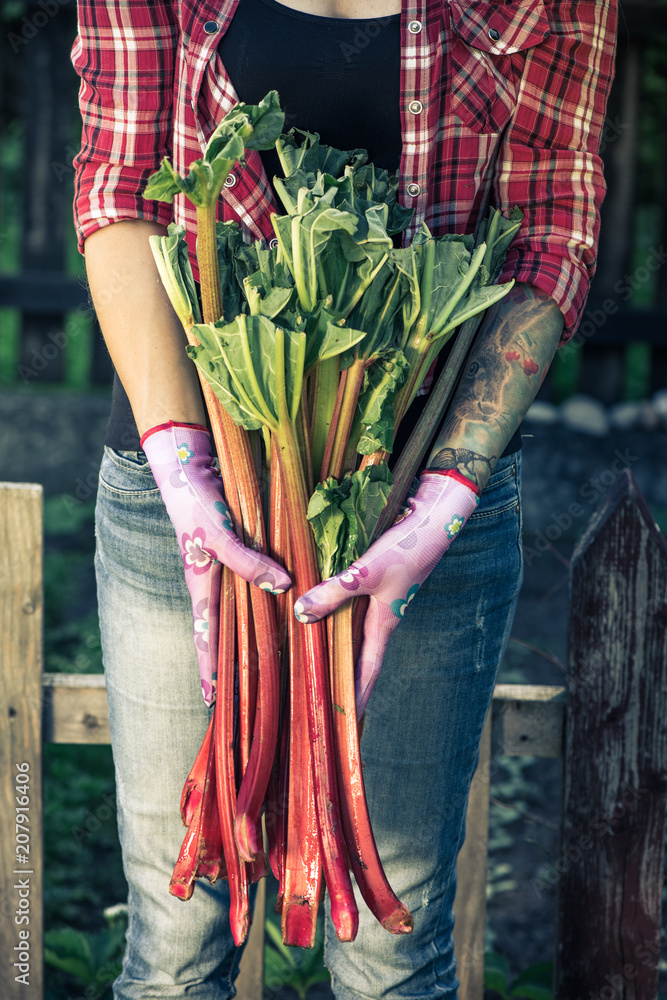
Rhubarb
Rhubarb requires careful handling.
The FDA notes that rhubarb leaves contain high levels of oxalic acid and should never be eaten. While the stalks are safe, excessive cooking can affect their texture and may concentrate certain compounds.
Always discard the leaves and cook the stalks only until softened.
Why Cooking Method Matters
Food safety experts consistently emphasize that cooking is essential for many foods—but balance is key.
The USDA and FDA both recommend:
- Avoiding excessive charring or burning
- Using moderate cooking methods like steaming or sautéing
- Not overcooking vegetables for long periods
These approaches help preserve nutrients while minimizing any potential risks.
The Bottom Line
Vegetables remain one of the healthiest parts of any diet. However, how they are prepared can influence both safety and nutrition.
Potatoes, kidney beans, spinach, mushrooms, asparagus, and rhubarb are all safe when handled properly. Paying attention to storage, cooking time, and preparation methods can help you get the most benefits from these foods without unnecessary risks.

Leave a Reply