
It’s easy to rush through meal prep when you’re hungry or short on time. But taking shortcuts with certain foods can come with real risks. Some ingredients are perfectly safe once cooked, yet eating them raw or undercooked may expose you to harmful bacteria or natural toxins.
While many people already know to be cautious with raw meat and eggs, experts say there are several other foods—both animal and plant-based—that should always be properly cooked before eating.
Here are seven foods dietitians say you should never eat raw.
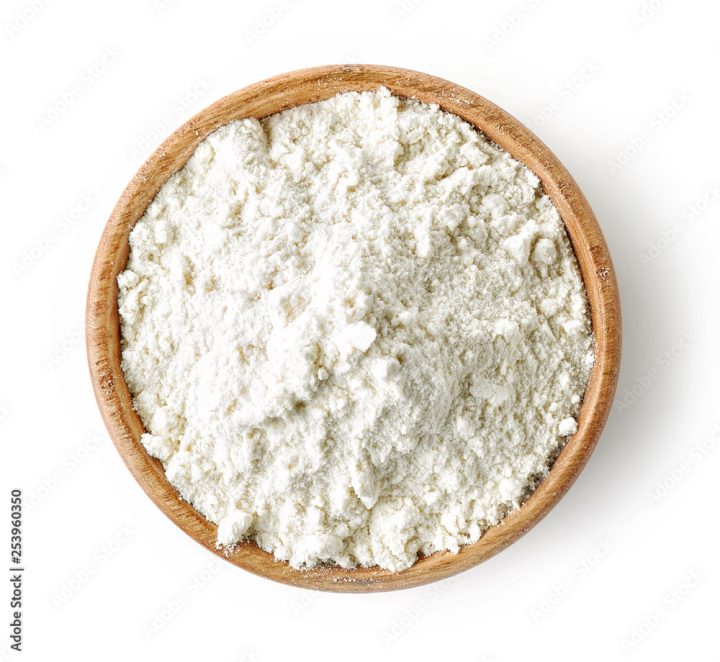
Flour
It might seem harmless to taste cookie dough or cake batter, but uncooked flour can carry bacteria.
Registered dietitian Kristen Lorenz explains that flour is considered a raw agricultural product. Because it is not treated to kill pathogens during processing, it can contain bacteria such as E. coli or Salmonella.
If you enjoy raw dough, experts recommend heat-treating flour first and using pasteurized eggs to reduce risk.
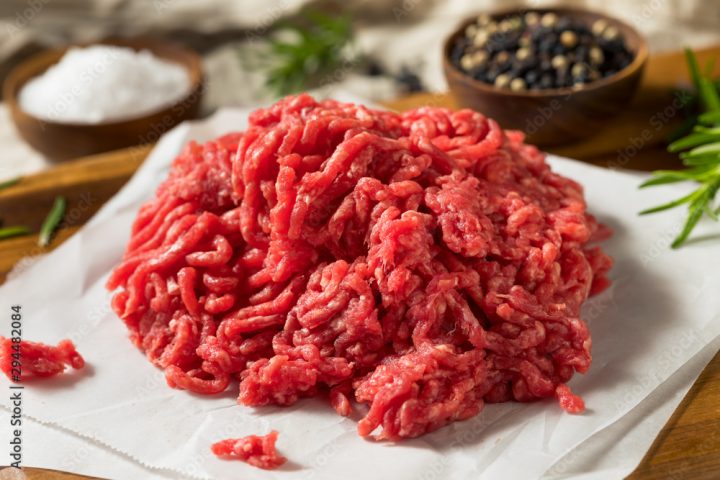
Ground Beef
Raw or undercooked ground beef poses a higher risk than whole cuts of meat.
Registered dietitian Jennifer House notes that E. coli can be present throughout ground meat because the grinding process distributes bacteria. According to food safety guidance, beef should be cooked to an internal temperature of 160°F to destroy harmful bacteria.
Unlike steak, where bacteria mostly remain on the surface, ground beef must be fully cooked to be considered safe.
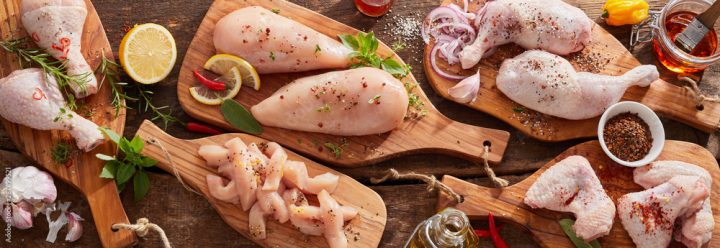
Poultry
Chicken, turkey, and other poultry should never be eaten raw.
The CDC advises cooking poultry to an internal temperature of at least 165°F to eliminate bacteria like Salmonella. As House explains, raw poultry can contain multiple types of harmful bacteria that may lead to serious foodborne illness.
Even slight undercooking can increase the risk.
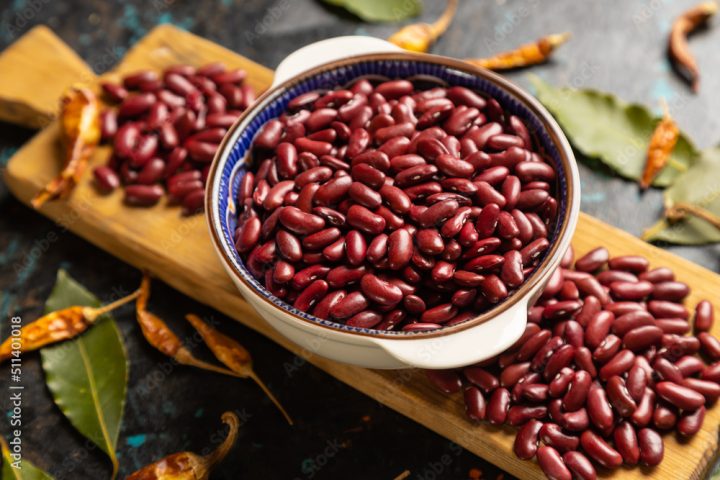
Kidney Beans
Raw or undercooked kidney beans contain a natural toxin that can make you sick.
Lorenz explains that kidney beans have high levels of phytohaemagglutinin, a lectin that can trigger symptoms similar to food poisoning—even in small amounts.
Proper preparation is key. Experts recommend soaking beans for several hours and boiling them thoroughly before eating. Canned beans are safe because they are already fully cooked.
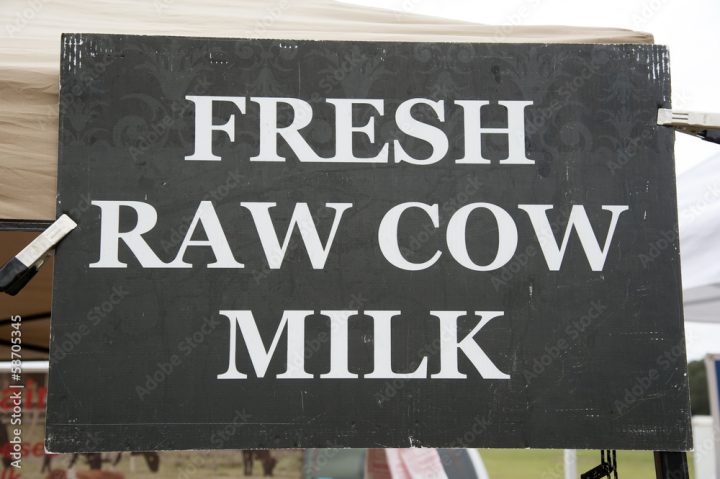
Raw Milk
Raw milk has become more popular in some circles, but many health professionals still advise against it.
Lorenz points out that pasteurization was developed to reduce the risk of harmful bacteria in milk. According to the CDC, raw milk may contain pathogens such as Listeria, Salmonella, and E. coli, all of which can lead to serious illness.
Choosing pasteurized milk significantly lowers these risks.
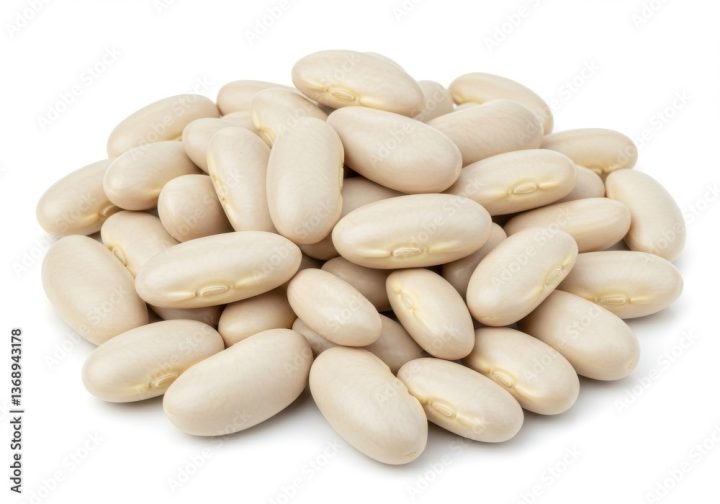
Lima Beans
Lima beans must be fully cooked before consumption.
Registered dietitian Stacey Woodson explains that lima beans contain linamarin, a compound that can convert into cyanide when eaten raw. The CDC notes that even small amounts of cyanide exposure may cause symptoms like dizziness, weakness, and shortness of breath.
Cooking the beans thoroughly neutralizes this compound and makes them safe to eat.
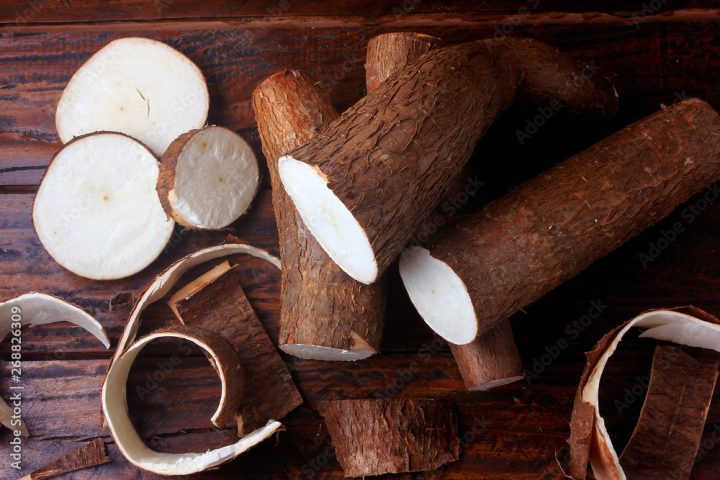
Cassava
Cassava, also known as yuca, is a starchy root vegetable that requires careful preparation.
Woodson explains that cassava naturally contains compounds that can release cyanide. Food safety guidance from sources like the Centre for Food Safety recommends peeling, soaking, and thoroughly cooking cassava before eating it.
When prepared correctly, it is widely used in foods like tapioca and other dishes.
Why Proper Cooking Matters
Food safety experts consistently emphasize that proper cooking is one of the most effective ways to reduce the risk of foodborne illness.
The CDC reports that millions of Americans experience foodborne illness each year, often linked to undercooked or contaminated foods. Taking the time to cook ingredients to safe temperatures can make a significant difference in preventing these issues.
The Bottom Line
Many everyday foods are safe and nutritious—but only when prepared correctly. Whether it’s bacteria in raw flour or natural toxins in certain beans and roots, cooking plays a key role in making these foods safe to eat.
When in doubt, it’s always better to cook it thoroughly than to take the risk.

Leave a Reply