
This article references food storage guidance and research from sources including the U.S. Department of Agriculture (USDA), food science studies such as those published in the Proceedings of the National Academy of Sciences, and general food safety principles used by culinary and nutrition experts.
Many people treat the refrigerator like a catch-all solution for keeping food fresh. But food science shows that cold storage is not always the best option.
According to guidance from the U.S. Department of Agriculture, proper storage depends on the type of food, and in some cases, refrigeration can actually reduce quality, speed up texture breakdown, or shorten shelf life.
Here are common foods that often do better outside the fridge.
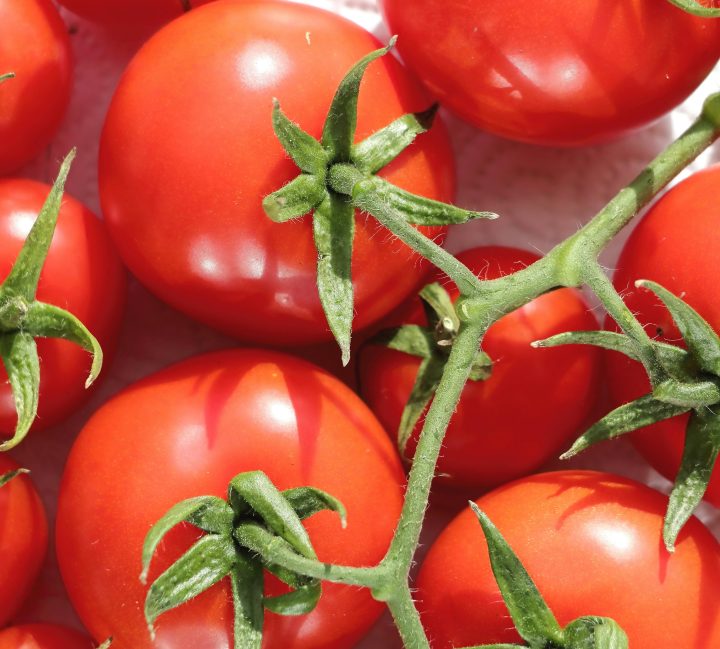
Whole Tomatoes
Food scientists have found that cold temperatures can damage the enzymes responsible for ripening in tomatoes. Research published in the Proceedings of the National Academy of Sciences shows that refrigeration can reduce the production of flavor compounds, leading to bland, mealy tomatoes.
Fresh Bread
The USDA explains that refrigeration speeds up the staling process in bread due to changes in starch structure. Bread stored in the fridge often becomes dry and tough faster than bread kept at room temperature.
Potatoes
According to food safety research referenced by the USDA, cold temperatures convert potato starch into sugar. This can affect both taste and cooking behavior, and may increase the formation of compounds like acrylamide during high-heat cooking.
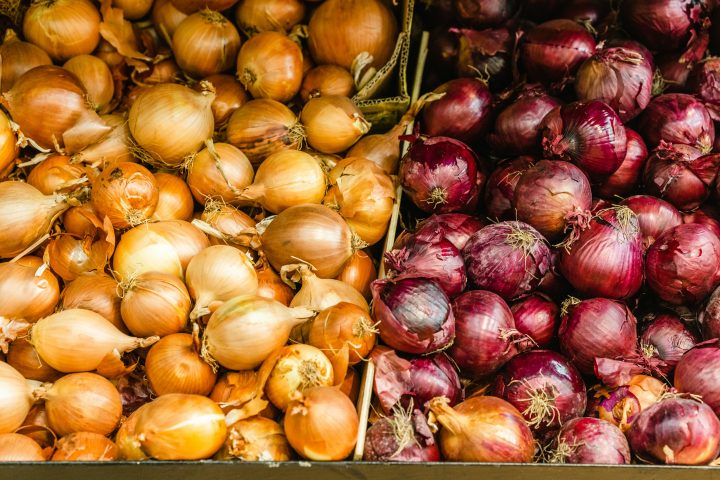
Onions
The USDA recommends storing onions in a cool, dry, well-ventilated area. In the refrigerator, excess moisture can cause onions to soften and spoil more quickly.
Garlic
Similar to onions, garlic absorbs moisture in the refrigerator, which can lead to mold and sprouting. Food storage guidelines recommend keeping whole garlic in a dry, ventilated space instead.
Honey
The USDA notes that honey has a naturally long shelf life due to its low moisture content and acidity. Refrigeration causes it to crystallize, making it harder to use without providing any safety benefit.
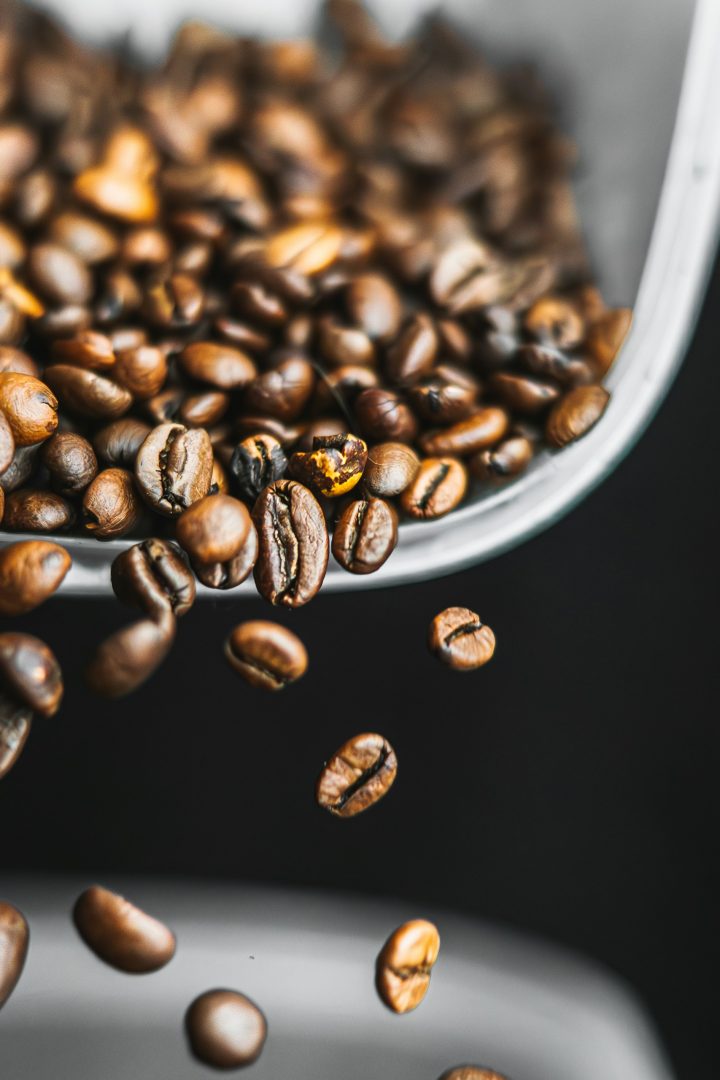
Coffee Beans
Coffee is highly absorbent, and the USDA advises keeping it away from moisture and odors. In a refrigerator, coffee can absorb surrounding smells and moisture, reducing flavor quality.
Avocados (Unripe)
Unripe avocados need room temperature to ripen properly. Cold temperatures slow or stop this process, which can lead to poor texture. Once ripe, they can be refrigerated briefly to extend freshness.
Stone Fruits
Peaches, plums, and nectarines rely on natural ripening enzymes. According to food science research, refrigeration slows this process and can negatively affect flavor and texture if used too early.
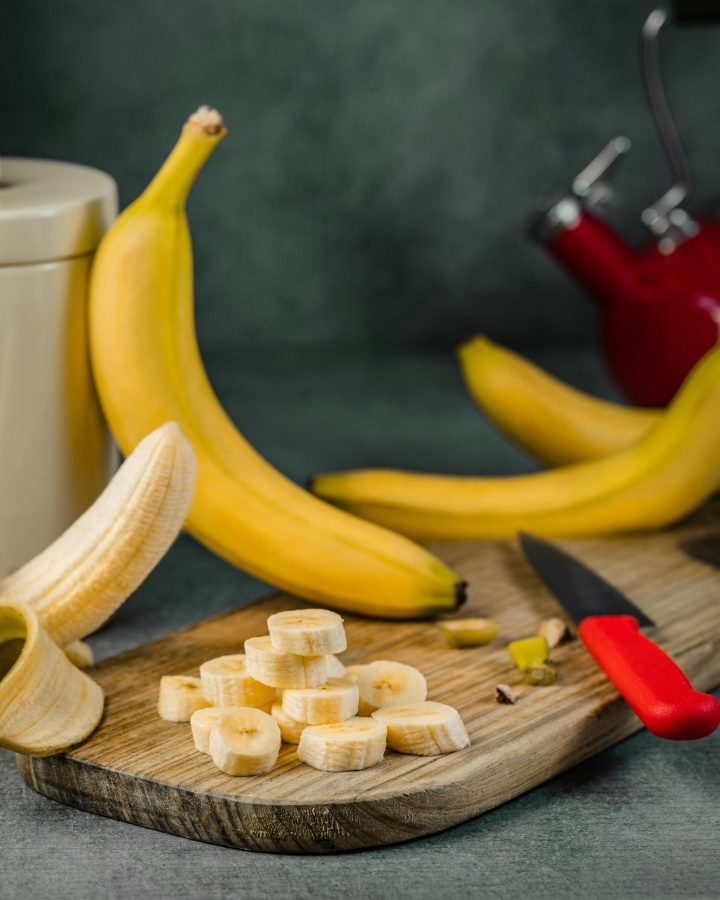
Tropical Fruits
Fruits like bananas, mangoes, and pineapples are sensitive to cold. The USDA notes that refrigeration can cause discoloration and texture damage in tropical fruits due to chilling injury.
Fresh Herbs (Soft Herbs)
Delicate herbs like basil and cilantro are sensitive to cold temperatures. Culinary experts often recommend storing them at room temperature in water, similar to fresh flowers, to extend their lifespan.
Winter Squash
The USDA recommends storing whole winter squash in a cool, dry place. Refrigeration can introduce moisture that leads to faster spoilage.
Whole Melons
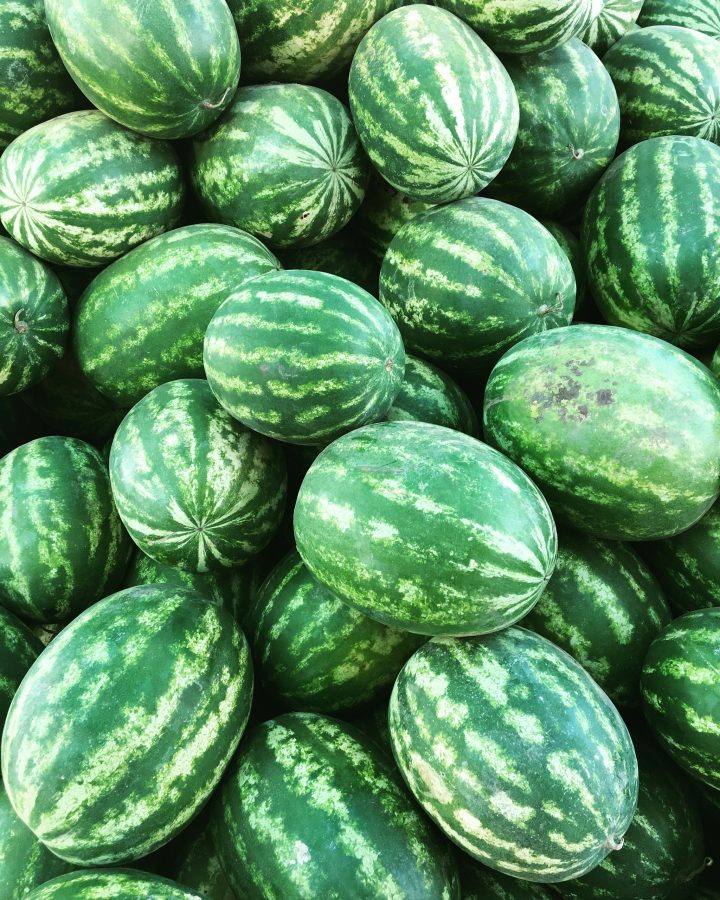
Research supported by the USDA has shown that whole melons stored at room temperature can retain higher levels of certain nutrients, such as lycopene, compared to refrigerated melons.
Eggs (Depending on Country)
The USDA requires refrigeration for eggs in the United States because washing removes the natural protective coating. However, in countries where eggs are not washed, they are often safely stored at room temperature.
Citrus Fruits
Citrus fruits can dry out in the refrigerator. The USDA notes that they generally maintain quality longer at room temperature if used within a reasonable time frame.
Nuts and Seeds
While refrigeration can slow rancidity, the USDA emphasizes that moisture and air exposure are bigger concerns. Airtight containers in a cool pantry are often sufficient for typical household use.

Cooking Oils
Food storage guidance highlights that light, heat, and oxygen are the main causes of oil spoilage. Most oils do not require refrigeration and may solidify when chilled.
Chocolate
Refrigeration can cause “bloom,” where fat or sugar rises to the surface, affecting texture and appearance. Chocolate is best stored in a cool, dry place.
Jam and Preserves
The USDA notes that high sugar content helps preserve jam. While refrigeration extends shelf life after opening, it is not always necessary for short-term use.
Soy Sauce and Fish Sauce
These condiments contain high salt levels that naturally inhibit bacterial growth. Food safety guidance indicates they can be safely stored at room temperature.
Dried Pasta and Rice
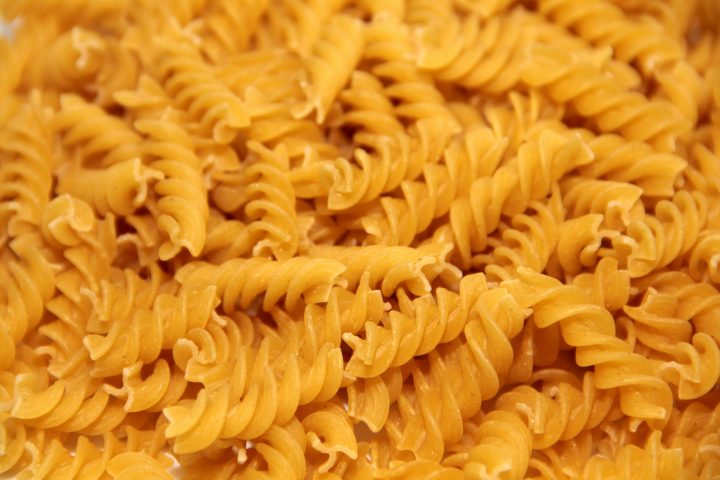
The USDA recommends storing dry goods in airtight containers in a cool, dry place. Refrigeration introduces moisture, which can reduce shelf life.
Hot Sauce
Most commercial hot sauces are acidic and shelf-stable. Food safety principles show that refrigeration is optional and mainly affects flavor, not safety.
The Bottom Line
The refrigerator is not a one-size-fits-all solution. According to the USDA and food science research, some foods actually last longer and taste better when stored at room temperature.
Understanding where different foods belong can help reduce waste, improve flavor, and make your kitchen more efficient.

Leave a Reply